



01
Smaller size, tighter curl
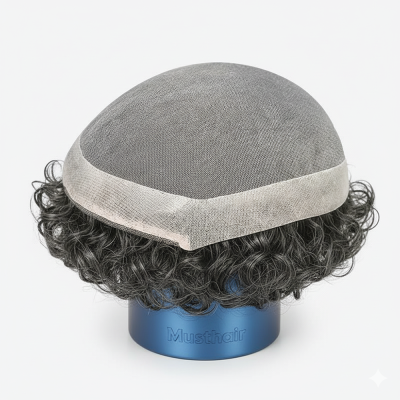
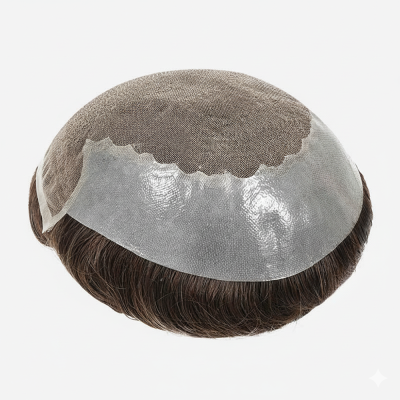
The 1.8 cm option creates a tighter, more defined curl pattern than the 2.5 cm option.

Musthair Knowledge Center
Explore how the 1.8, 2.0, 2.2 and 2.5 cm wave options look and how their appearance changes with hair length and care habits.
Essential Information
The wave size describes the diameter of the hair’s curl. The smaller the number, the tighter the curl; the larger the number, the looser and more open the wave appears.
The 1.8 cm option creates a tighter, more defined curl pattern than the 2.5 cm option.
The same wave can appear tighter on short hair and looser on long hair because of the added weight.
Wet hair can look more clumped and defined, while dry hair may appear fuller with a looser wave.
Wave Options
Naming may vary by manufacturer. In this guide, the sizes are explained according to how tight or loose they appear.
18 mm — tight and defined curl
The curls have a smaller diameter and appear tighter, adding pronounced movement and volume to the hair.
When paired with straight side hair, the transition should be cut and blended with extra care.
20 mm — medium, balanced curl
It retains a defined curl while appearing slightly looser and softer than the 1.8 cm option.
Brushing when dry may increase frizz; use a wide-tooth comb.
22 mm — slight curl / tight wave
It offers a balanced transition between curly and wavy textures, providing natural movement for everyday wear.
A natural and versatile starting option for many users.
25 mm — loose, natural wave
The larger curl diameter gives the hair soft movement and creates a wavy rather than curly appearance.
The wave effect may be limited on very short hair.
Quick Comparison
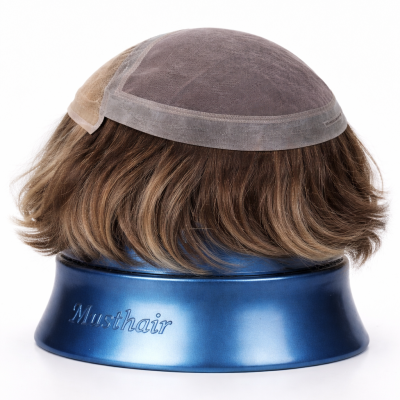
The final appearance may vary depending on hair length, density, strand thickness, moisture and styling method.
| Feature | 1.8 cm | 2.0 cm | 2.2 cm | 2.5 cm |
|---|---|---|---|---|
| Overall appearance | Defined curl | Medium curl | Tight wave | Loose wave |
| Curl tightness | Very tight | Tight | Medium | Looser |
| Volume | High | Medium-high | Medium | Soft volume |
| Recommended length | Short / medium | Short / medium | Short / medium | Medium / long |
| Care level | Higher | Medium-high | Medium | More practical |
| Best suited for | Those seeking a curly look | Those seeking a balanced curl | Those seeking a natural wave | Those seeking soft movement |
The same size may not look identical across different manufacturers or hair lengths. Whenever possible, compare it with a physical sample or product video.
Factors That Affect the Look
The same wave size can produce different results depending on hair length, density and styling method.
The weight of long hair can loosen the wave; on short hair, the same size appears curlier.
Higher density can make the wave look fuller, while lower density can make it appear lighter.
On wet hair, curls clump together; as the hair dries, volume increases and the wave may look looser.
Blow-drying, brushing and styling products can temporarily change the tightness of the curl.
Care and Styling
Wavy and curly hair systems can be more sensitive to friction and dryness than straight hair.
Detangle the hair while slightly damp, starting at the ends and using a wide-tooth comb.
Apply shampoo in the direction of the hair instead of rubbing it. Avoid circular motions that may increase tangling.
A rinse-out conditioner or moisturising product suitable for hair systems can help keep the wave flexible and controlled.
Start at the ends and work upward. Finger styling may be more suitable for tightly curled styles.
Do not rub aggressively with a towel. Use low heat and low airflow; when possible, use a diffuser to support the curl pattern.
A satin or silk pillowcase may help reduce frizz and tangling.
Quick Selection Guide
Answer four short questions. The result does not replace a professional assessment; it provides a useful starting point.
Once all selections are complete, the wave size closest to your needs will appear here.
Common Mistakes
A noticeable texture difference may appear between the hair system and your side and back hair. Cutting and styling alone may not always conceal the transition.
A 2.5 cm wave may not create the expected effect on very short hair, while a 1.8 cm curl can look denser and fuller on long hair.
The curls may separate, increasing frizz and tangling. Gentle detangling on damp hair helps preserve the wave pattern.
Frequently Asked Questions
Answers to the most common questions about wave size and curl pattern.
Musthair Expert Support
Consider your natural side and back hair texture, preferred length and care routine together to choose a suitable wave size with greater confidence.
