



01
The contour defines the shape of the hairline
Whether the front line is straight, slightly curved, rounded, or begins farther back at the temples directly affects the overall facial expression.

Musthair Knowledge Center
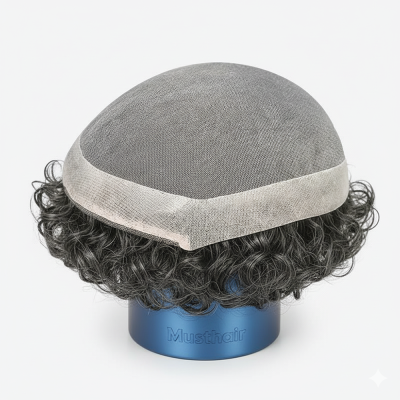
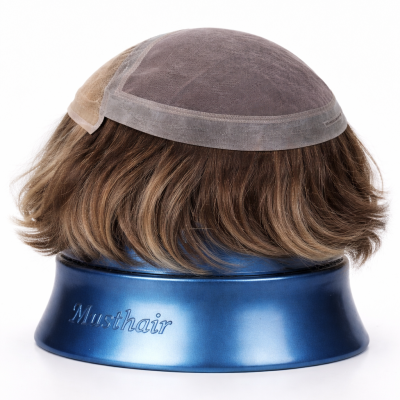
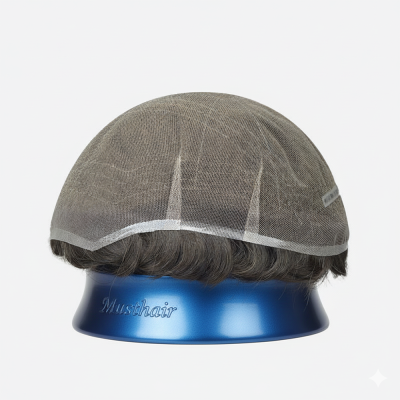
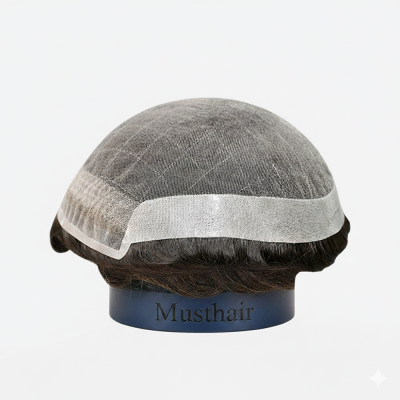
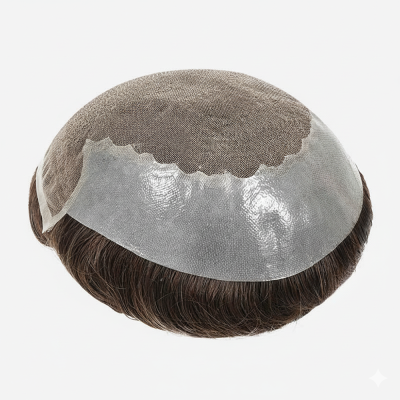
The hairline contour is the shape created by the front edge of your hair system across your forehead. The right contour complements your facial proportions and existing temple hair for a more natural appearance.
The Basics
The hairline contour is the shape the front hairline follows across the forehead. Whether the system appears straight, curved, rounded, or more recessed at the temples depends on the selected contour.
Whether the front line is straight, slightly curved, rounded, or begins farther back at the temples directly affects the overall facial expression.
The contour describes the shape of the line, while hairline height determines where it begins on the forehead. Both should be planned together.
A hairline that is too straight or positioned too low can look artificial when it does not suit your age, temples, and existing hair.
Contour Types
The following types provide general guidance. Your final choice should be personalized according to face shape, age, forehead height, temples, and hairstyle.
Defined and strong front hairline
The front hairline runs more horizontally across the forehead. It can create a stronger, more youthful appearance.
It may look too sharp on users with recessed temples or a more mature appearance.
Soft and natural front hairline
It is a balanced line that sits slightly lower in the center and rises gently toward the sides.
It can be a reliable starting point for first-time hair system users.
More pronounced curve
The center extends farther forward, creating an oval frame around the upper part of the face.
It should not be positioned too low on narrow or short foreheads.
More recessed at the temples
It begins farther back at the temples and complements the natural appearance of an aging hairline.
If designed too high or too deeply recessed, it may create an unnecessarily aged appearance.
Quick Comparison
This comparison explains the general character of each contour. The same contour can look different when hairline height and temple design are adjusted.
| Feature | Straight | Slightly curved | Rounded | Mature |
|---|---|---|---|---|
| Overall appearance | Strong and defined | Balanced and natural | Soft and youthful | Realistic and mature |
| Temple appearance | Less recessed | Moderate | Less recessed | More recessed |
| Suitable hairstyle | Forward or side sweep | Versatile | Forward or slight side sweep | Back or side sweep |
| Best-suited face type | Long and oval | Most face shapes | Angular and long | Mature face with recessed temples |
| What to consider | Avoid an overly sharp look | Set the height correctly | Avoid making the forehead look too short | Avoid an unnecessarily aged appearance |
Contour selection should not be based on face shape alone; existing temple hair and hairline height should also be evaluated together.
By Face Shape
The aim is not to change the face completely, but to create a natural frame that complements the forehead and facial features.
However, do not choose a contour that conflicts with your existing temple line.
Slightly curved and natural contours are generally suitable. Make sure the hairline does not begin too low.
A more horizontal line can balance the length of the face. An overly high contour with deeply recessed temples may be avoided.
An overly rounded contour can emphasize facial roundness. A balanced curve with controlled temple recession may be more suitable.
Soft curves can balance a strong jawline and forehead. A very straight, rigid line may emphasize angular features.
A slightly curved line may be preferred depending on forehead width and temple structure. The sides should not be recessed excessively.
A line with slightly recessed temples that does not begin too low can provide a more realistic, age-appropriate appearance.
Factors That Influence the Right Choice
A natural front hairline depends on correctly planning the contour shape, hairline height, density transition, and base construction together.
A very straight, low hairline can create a youthful look, but it may appear artificial if it does not suit the wearer's age.
Existing temple hair is one of the most important references for determining how the contour blends at the sides.
If the hair will be styled back, the shape of the front line, base thinness, and density transition become more visible.
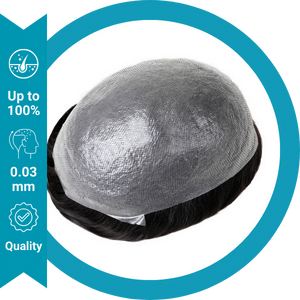
Lace and thin skin bases offer different advantages for an exposed front hairline. The contour should be selected together with the base.
Quick Selection Guide
Answer four short questions. The result does not replace a professional assessment, but it provides a starting point for choosing the right contour.
Once all selections are complete, the contour type closest to your needs will appear here.
Common Mistakes
This can distort forehead proportions and make the hairline look artificially added. Natural expression lines should be considered.
When a straight, less-recessed contour does not blend with hair that sits farther back at the sides, the transition points may become more visible.
A natural hairline usually begins lighter at the front. Graduated density can create a softer, more realistic result.
Frequently Asked Questions
Answers to the most common questions about hairline contours and front hairlines.
Musthair Expert Support
Have your face shape, temple hair, age, and preferred hairstyle assessed together so you can choose a suitable front hairline with greater confidence.
